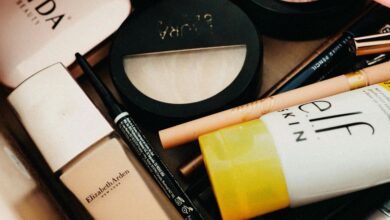
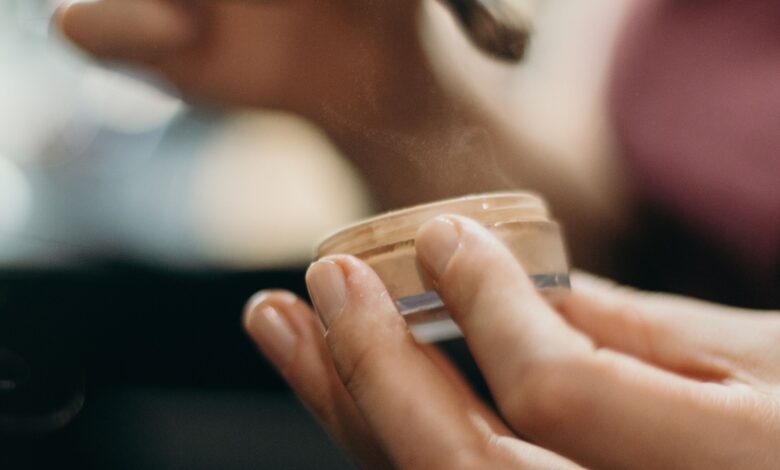
The right setting powder for oily skin keeps your makeup in place and your shine under control for hours. The wrong one looks chalky, settles into dry patches and turns cakey by lunch. If you want a base that still looks smooth at 5 p.m., the choice of powder matters as much as your foundation.
This guide shows you how to choose a setting powder for oily skin, which formulas editors and makeup artists recommend at every price, and how to apply powder so your skin still looks like skin.
What Does Setting Powder Do on Oily Skin?
A good setting powder for oily skin absorbs surface oil and places a dry, smooth layer over liquid and cream makeup. That layer stops foundation from sliding, keeps concealer from creasing and softens the look of pores.
It does not stop your skin from producing oil, so think of it as shine control, not oil control. Less shine also means fewer bright spots in photos. It works best as one step in a routine that also includes a mattifying primer for oily skin and a foundation made for oily skin.
How to Choose a Setting Powder for Oily Skin
Loose or Pressed?
Loose powder is finely milled, so it sets a full base evenly and works well for baking under the eyes. Marie Claire’s beauty writer finds that the loose version of Maybelline’s Fit Me powder controls oil slightly better than the pressed one. Pressed powder fits in a bag and suits midday touch-ups. Many people with oily skin use both: loose in the morning, pressed on the go.
Translucent or Tinted?
Translucent powder works over foundation for most people because it adds no extra color. Choose a shade that matches your skin only when you wear powder on bare skin. If you have a deeper skin tone, check for a white cast before you buy. Marie Claire’s writer, who has a deeper skin tone, says she is often skeptical of the word translucent, but she names LH Cosmetics’ Blotting Powder and Fenty Beauty’s Invisimatte as two options that leave no white cast.
Finish and Ingredients
A matte finish fights shine hardest. A natural or soft-focus finish looks more like skin but controls less oil. Rice starch, an oil-absorbing ingredient, appears in Huda Beauty’s Easy Bake. If you dislike dry-feeling powder, look for hydrating ingredients such as hyaluronic acid, which Versed adds to its formula. If you break out easily, check for a non-comedogenic label.
Shade Range
Shade ranges vary widely. Laura Mercier’s popular loose powder comes in three shades, while Huda Beauty’s loose Easy Bake has 13, according to Who What Wear. If your skin tone falls between shades, translucent is the safer choice.
Our Picks: Setting Powder for Oily Skin at Every Price
We compared recent roundups from Who What Wear and Marie Claire, which draw on makeup artist advice and editor testing, and chose formulas across a range of prices. Prices come from 2026 listings and change often, so check before you buy.
Maybelline Fit Me Loose Finishing Powder
Best for: budget everyday setting.
Who What Wear calls it the best drugstore pick. It comes in eight shades with a natural finish, and one makeup artist recommends it for oily skin year-round. Marie Claire’s writer has used it for more than 10 years and says it does not look chalky when packed under the eyes. Who What Wear notes it is not ideal for acne-prone skin. For more budget ideas, see our guide to affordable makeup that looks expensive.
Versed Smooth Finish Brightening Setting Powder
Best for: oily skin that dislikes dry-feeling powder.
Marie Claire recommends it if you dislike dry powder. One compact holds a skin-tone shade and a brightening shade. The formula includes hyaluronic acid and aloe leaf juice, so layers of concealer and foundation are less likely to look dry.
Laura Mercier Translucent Loose Longwear Setting Powder
Best for: an all-round pick.
Who What Wear named it best overall, and two makeup artists recommend it for its fine texture. It sets makeup without looking heavy, especially under the eyes and on the T-zone. It comes in only three shades, and the honey shade can look too yellow on some skin tones.
Huda Beauty Easy Bake Loose Baking and Setting Powder
Best for: blurring and a wide shade range.
One makeup artist quoted by Who What Wear says it smooths pores while keeping skin matte but still slightly luminous. Some users dislike the scent. Marie Claire also highlights a newer pressed version ($40, eight shades) that layers under the eyes without caking.
One/Size Ultimate Blurring Setting Powder
Best for: long wear at events.
Who What Wear picks it for staying power, and the soft-focus matte finish smooths texture. It comes in seven shades. The brand promises 24 hours of coverage, which is a best-case claim, and the packaging can get messy.
Fenty Beauty Invisimatte Instant Setting and Blotting Powder
Best for: midday touch-ups.
A makeup artist quoted by Who What Wear says this translucent pressed powder absorbs shine without building up, and Marie Claire says it does not flash back in photos. The included puff picks up less product than a brush does. Sources disagree on the shade count, so check the current range.
MAC Blot Powder, Pressed
Best for: acne-prone skin and touch-ups.
Who What Wear lists it as dermatologist tested and non-comedogenic, with a sheer matte finish that does not cake on top of makeup. You may need to reapply it midday.
Quick pick: on a budget, choose Fit Me. If you dislike dry powder, choose Versed. For events and photos, choose Huda or One/Size. For touch-ups, choose Fenty or MAC.
How to Apply Setting Powder on Oily Skin
- Prep your skin. Moisturize with a light formula, then add a primer where you get shiny.
- Finish your base. Apply foundation and concealer, then give them a minute to settle.
- Pick a small tool. Use a small fluffy brush or a puff, and tap off the excess.
- Press, do not sweep. Makeup artist Catrina Breitweiser, quoted by Who What Wear, suggests pressing powder into the forehead, nose and chin instead of sweeping it across the whole face. That keeps skin smooth and natural.
- Go light elsewhere. Use less on the cheeks and under the eyes, where dry patches and fine lines show powder. If you bake under the eyes, leave a thin layer for a few minutes, then brush away the extra.
- Mist to blend. A setting spray melts the powder into your skin and helps it last. Our guide to how to make makeup last all day covers the full routine.
Bare-skin days: blot first, then lightly press a small amount of powder where you shine, as makeup artist Mezhgan Hussainy suggests.
Mistakes That Make Setting Powder Look Cakey
- Using too much. Tap off the excess and build only where you need it.
- Sweeping over the whole face. Press it into the T-zone instead.
- Powdering dry patches. Skip them, or moisturize first.
- Choosing the wrong shade. Pick translucent, or check swatches in daylight.
- Powdering too early. Apply powder after foundation and concealer, not before.
How to Touch Up Oily Skin Without Making Makeup Cakey
Adding more powder on top of oil is the fastest way to a cakey finish. Blot first, then powder. Keep a pressed compact in your bag for quick fixes.
- Press a clean tissue or blotting paper on your T-zone to lift surface oil.
- Tap a pressed setting powder for oily skin onto the shiny spots with a puff or small brush.
- Stop after one thin layer, and skip reapplying over the cheeks or under the eyes.
Setting Powder vs. Setting Spray
Powder absorbs oil and blurs texture. A setting spray melts layers together and helps the whole look last. People with oily skin often use both: powder on the T-zone, then a light mist over the face. Each product does a different job, so they work well as a pair.
Is Setting Powder Safe for Acne-Prone Skin?
It can be, if you choose carefully. Look for non-comedogenic formulas, such as MAC Blot Powder, and apply only a thin layer. Wash your puffs and brushes regularly so oil and product do not build up. If your breakouts get worse, stop using the powder and ask a dermatologist for advice.
Frequently Asked Questions
Is loose or pressed setting powder better for oily skin?
Loose powder sets a full base and works well for baking. Pressed powder is easier for touch-ups. Use both if you need all-day control.
Should I use translucent or tinted powder?
Translucent works over foundation for most people. Use tinted powder on bare skin, and check for a white cast if you have a deeper skin tone.
Does setting powder go on before or after foundation?
Apply it after liquid or cream foundation and concealer. Powder underneath would stop them from blending.
Why does my setting powder look cakey?
Usually the cause is too much product, dry patches or the wrong formula. Use less, press it in and moisturize dry areas first.
Can I use setting powder without makeup?
Yes. Blot your skin first, then lightly press powder into the shiny areas.
How often should I reapply setting powder?
Only when shine returns, often once or twice a day. Blot first so you do not layer powder on oil.
Final Thoughts
The right setting powder for oily skin matches your budget, your skin tone and the way you wear makeup. If you are unsure, start with Maybelline Fit Me for everyday use, then add a pressed powder such as Fenty or MAC for touch-ups. Press it in lightly, blot before you reapply, and finish with a setting spray. Small changes like these keep oily skin matte without making your makeup look heavy.